
Environmental Laws Answer Can You Dump Cooking Oil? Clearly
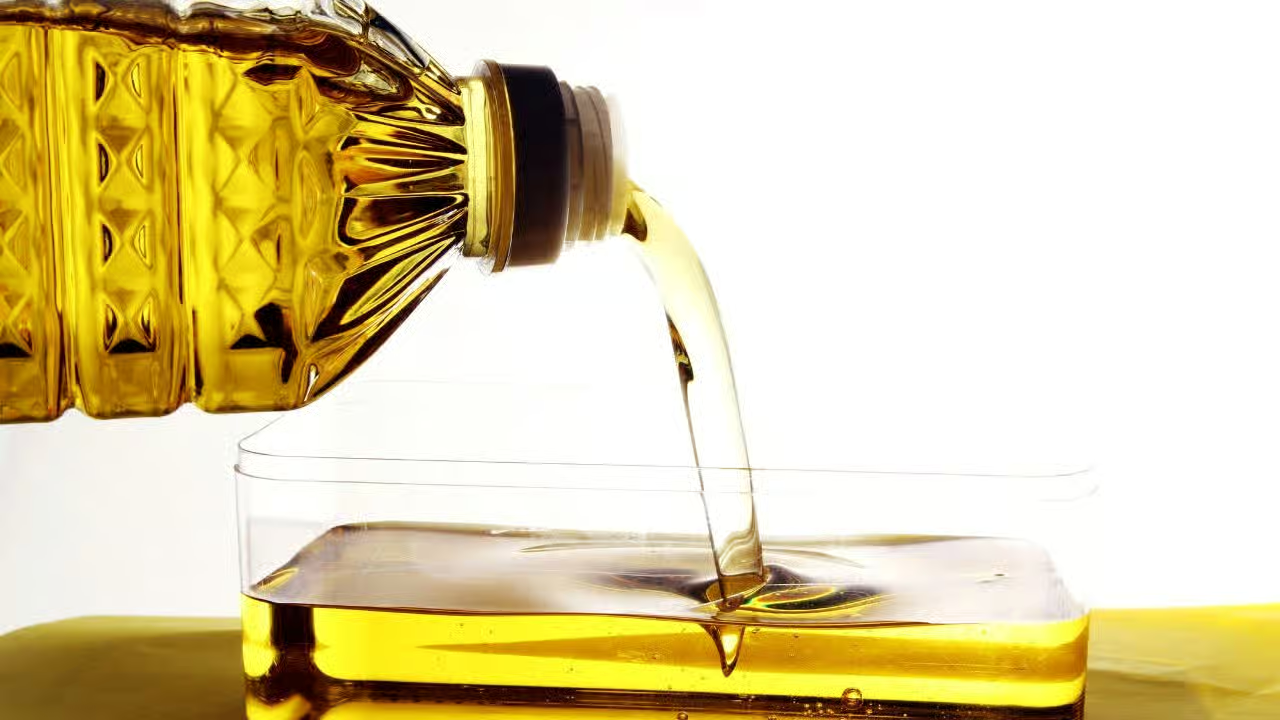
Dumping cooking oil improperly can have significant environmental consequences, leading to the need for strict regulations and laws governing its disposal. The question of whether you can dump cooking oil is not just a matter of convenience but one of environmental responsibility and legal compliance.
Cooking oil, when disposed of incorrectly, poses several environmental hazards. When poured down drains or into water bodies, it can cause blockages in sewage systems and harm aquatic life by creating a film on the surface that blocks sunlight and oxygen from reaching underwater ecosystems. This disruption can lead to the death of fish and other marine organisms, upsetting the ecological balance.
To address these issues, many countries have established environmental laws that provide clear guidelines on how cooking oil should be disposed of. In most jurisdictions, dumping cooking oil down household drains or in public waterways is illegal due to its potential to cause damage to both infrastructure and natural habitats. Instead, there are recommended methods for disposing of used cooking oil responsibly.
One common approach encouraged by environmental agencies is recycling. Used Can you dump cooking oil? be collected and processed into biodiesel—a renewable energy source that burns cleaner than fossil fuels—thus reducing greenhouse gas emissions. Many municipalities offer collection services or designated drop-off points where residents can dispose of their used oils safely.
Another recommended method is composting small amounts with organic waste if local regulations permit it. Cooking oils derived from plant sources like olive or sunflower oil break down naturally in compost heaps when mixed with other organic materials such as vegetable scraps or garden clippings. However, care must be taken not to overload compost piles with too much oil as this could attract pests or create odors.
For those unable to access recycling facilities easily, solidifying the leftover grease by cooling it until it hardens before placing it in a sealed container for regular trash disposal may be an option permitted under certain local regulations. It’s crucial always to check specific municipal guidelines since rules regarding waste management vary widely depending on location.